Orust
Sights & Culture
Hoga runsten
Nearly four metres tall, carved with elegant runes in the younger futhark which are almost impossible to see. The inscription reads:
Þjalfi raised this stone in memory of his father Toste, who was a good man.
The style is RAK, one of the earlier and simpler layouts, with the text running in neat, vertical bands. No dragons or knotwork like some others I’ve seen.
There’s a small information board nearby (Swedish/English), but odds are you’ll have the place to yourself.


Hoga Domarringar
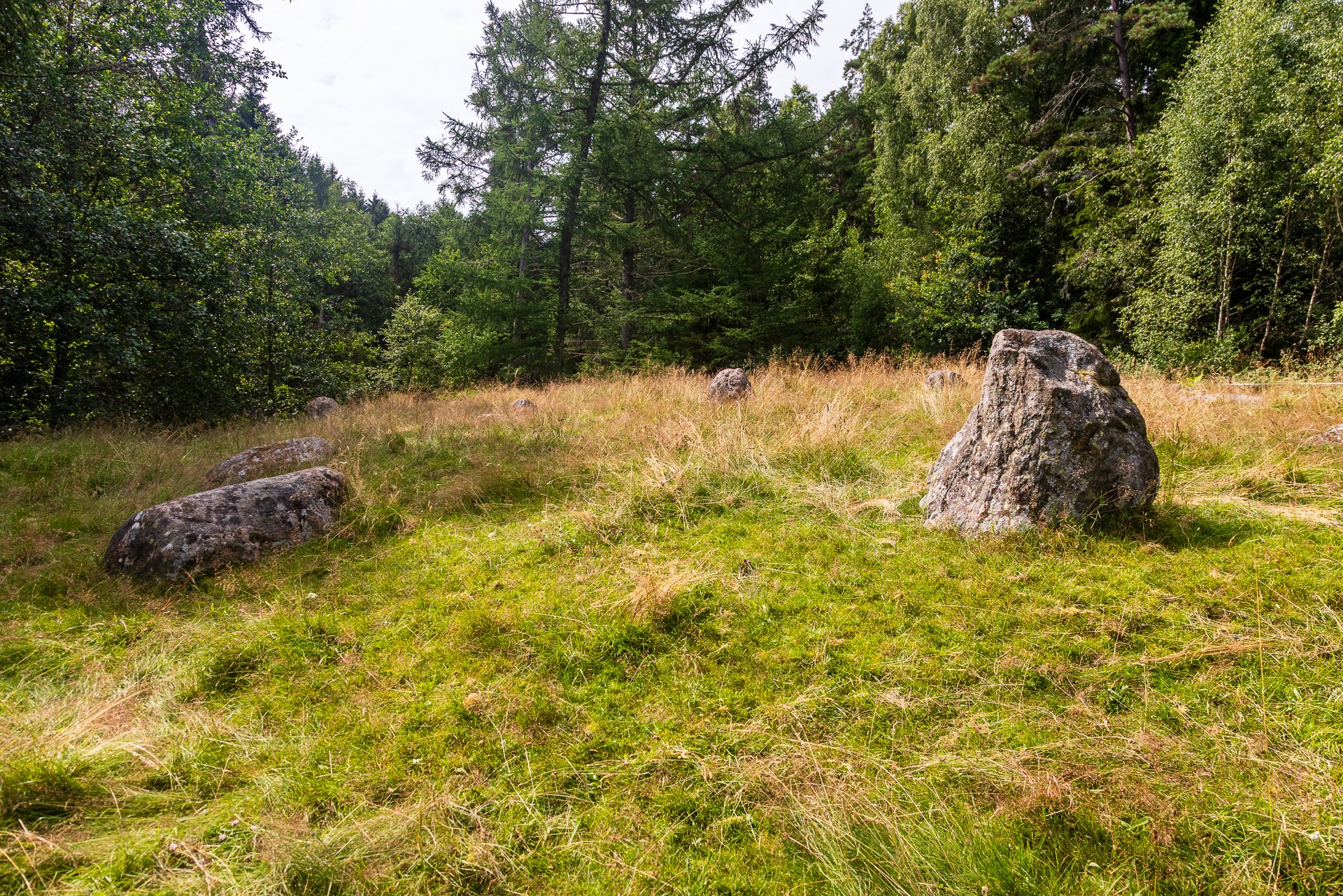
Set slightly uphill from the runestone, this small Iron Age stone circle (or stone setting) is made up of low, weathered boulders arranged in a rough ring.
The circle’s stones are no taller than knee-height, worn down by a thousand years of rain and moss, but the shape is still clearly defined.
It feels older than the Viking runestone, which it probably is. We're likely looking at something from the Late Bronze Age or early Iron Age say, 500 BCE to 500 CE.


Burial Mounds
Only really noticeable with the information board, there are burial mounds between the runestone and the stone circle.

Sports & Activities
Kayaking
Having moved to Sweden, I’m trying to do a bit more outdoors, with the ocean, lakes, forests and trails so easily accessible from the centre of town, it is a waste to not make the most of them. As part of them, I recently picked up a GoPro Hero4+ Black. With some friends from work, I headed up to Orust and took a Kayak out for the day. The weather was sporadically poor, with a lot of wind on the return journey, but the landscape is incredible, great granite cliffs rising out from the ocean, often almost vertically. Occasional small bays and inlets where you can pull in for a break. Fika on a rocky outcropping overlooking the islands.


